Gums do a quiet but important job. They seal around each tooth and hold everything firmly in place, which is why dentists often call them the foundation of your smile. When gums are healthy you barely notice them, and that is exactly the point. This guide explains, in plain English, what healthy gums look like, what changes such as bleeding or soreness can mean, and the simple, gentle habits that help keep your gums in good shape.
The short version: healthy gums are kept healthy mainly by cleaning plaque away gently every day, especially between the teeth and along the gumline. Bleeding when you brush or clean between your teeth is common and is often a sign that the gums need a little more care — but if it carries on, it is worth seeing a dentist.
A quick note: This article is general information only and is not a diagnosis or a substitute for professional dental advice. Gums can change for many reasons, and only a registered dentist can assess your individual situation. If you have bleeding that does not settle, pain, swelling, loose teeth, or any other concern, please book an appointment.
What healthy gums look and feel like
It helps to know what you are aiming for. In general, healthy gums tend to:
- look firm rather than puffy or swollen,
- sit snugly around each tooth,
- feel comfortable, with no soreness or tenderness, and
- not bleed during gentle, everyday cleaning.
Gum colour varies naturally from person to person, so colour alone is not a reliable home test. The more useful everyday signs are how your gums feel and whether they bleed. If gentle cleaning consistently makes them bleed, that is usually a signal worth paying attention to rather than ignoring.
Why gums bleed, and what it can mean
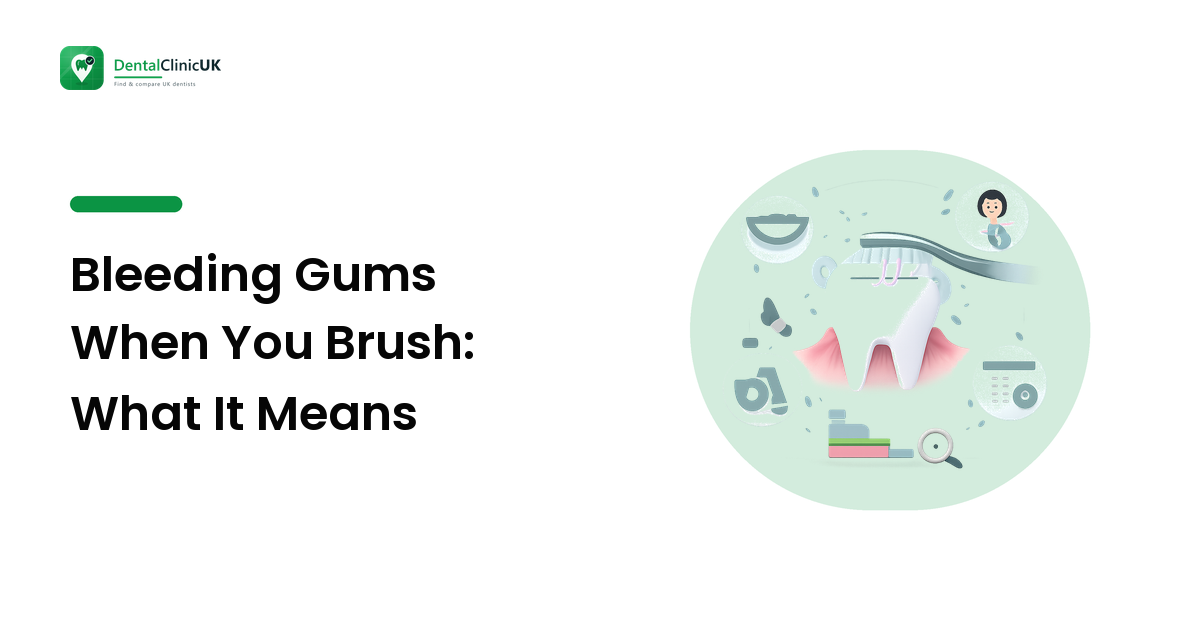
Bleeding gums are one of the most common things people ask about, and the reassuring part is that they are often manageable. The usual reason is a build-up of plaque — the soft, sticky film of bacteria that forms on teeth through the day — along the gumline. When plaque sits there, it can irritate the gums and make them more likely to bleed.
A few points that tend to surprise people:
- Bleeding does not always mean you should clean less. It often means the gums are irritated and could benefit from gentle, consistent cleaning to remove the plaque that is causing it. Brushing or flossing harder is not the answer; being gentle and regular usually is.
- A little bleeding when you start a new habit can settle. If you have just begun cleaning between your teeth, some early bleeding can ease within a week or two as the gums get healthier.
- Other things can play a part too. Factors such as pregnancy, certain medicines, smoking, or general health can affect the gums. This is exactly the kind of thing a dentist can help you understand for your own situation.
If bleeding is heavy, comes with pain or swelling, or simply does not settle after a couple of weeks of gentle, consistent care, treat that as your cue to see a dentist rather than to wait and see.
From healthy gums to gum problems: the general picture
You may have heard the terms gingivitis and periodontitis. Kept very general and non-diagnostic, they describe a spectrum rather than two unrelated things.
At the milder, earlier end, gums can become inflamed — often described as gingivitis — typically because of plaque along the gumline. The encouraging part is that this earlier stage is usually reversible with good daily care and professional cleaning, which is one of the main reasons gum care is worth the small daily effort.
If inflammation is left unchecked over a long time, it can progress to affect the deeper tissues and bone that support the teeth — often described as periodontitis — and this more advanced stage is managed by a dental professional. The general takeaway is simple and hopeful: looking after your gums early, and seeing a dentist when something does not settle, is how most people avoid the more serious end of that spectrum.
How to look after your gums day to day
Caring for your gums is really part of caring for your whole mouth, and it does not need anything elaborate. The aim is to remove plaque gently and consistently.
- Clean along the gumline when you brush. Angle the bristles to where the tooth meets the gum, use small, gentle movements, and let the brush do the work rather than scrubbing hard. Brushing for two minutes, twice a day, with a fluoride toothpaste is the usual foundation.
- Clean between your teeth every day. A brush cannot reach the surfaces between teeth, and that is where gum irritation often begins. Floss or interdental brushes both work — the best one is the one you will actually keep using. Interdental brushes come in different sizes, and a dentist can help you find the right fit.
- Be gentle, not forceful. Pressing hard or snapping floss into the gums can do more harm than good. Gentle and regular beats hard and occasional.
- Mind everyday habits. Going easy on frequent sugary snacks and drinks, drinking water through the day, and avoiding tobacco all support healthier gums. Smoking in particular is strongly linked to gum problems.
For a full step-by-step routine that ties all of this together, see our daily oral hygiene routine guide.
When to see a dentist about your gums
Home care does most of the day-to-day work, but it cannot replace a professional eye. A dentist can spot early changes you would not notice yourself and remove hardened deposits that brushing cannot shift. It is sensible to keep up regular check-ups at the interval your dentist recommends, and to book sooner if you notice any of the following:
- bleeding that is heavy or does not settle after a couple of weeks of gentle, consistent care,
- gums that are sore, swollen, or tender,
- gums that seem to be shrinking back from the teeth, or teeth that look longer,
- persistent bad breath or a bad taste that does not go away,
- any tooth that feels loose.
None of these mean you should panic, and several have everyday explanations. They are simply signs that are worth a professional opinion rather than guesswork at home.
FAQ
Is it normal for my gums to bleed when I brush or floss?
A little bleeding when you start a new cleaning habit is common and can settle within a week or two as your gums get healthier. The general advice is to keep cleaning gently and consistently rather than stopping. If bleeding is heavy, painful, or carries on beyond a couple of weeks, see a dentist, as it can be a sign your gums need attention.
Should I stop cleaning between my teeth if my gums bleed?
Usually not. Bleeding often reflects plaque irritating the gums, and gentle, regular cleaning is what helps remove it. The key word is gentle — guide floss or an interdental brush carefully rather than forcing it. If you are unsure about your technique, your dentist or hygienist can show you.
Can early gum problems get better?
The earlier, milder stage of gum inflammation is generally considered reversible with good daily care and professional cleaning, which is why early attention matters. More advanced gum problems that affect the supporting bone are managed by a dental professional. A dentist can tell you where things stand for you personally.
Does diet affect my gums?
Everyday habits do play a part. Frequent sugary snacks and drinks give plaque bacteria repeated chances to irritate the gums, so keeping sweets to mealtimes is gentler on your mouth. Drinking water through the day and avoiding tobacco also support healthier gums. These habits sit alongside good cleaning rather than replacing it.
How often should I have my gums checked?
Many people are seen every six to twelve months, but the right interval varies from person to person, and your dentist will suggest what suits you. Always book sooner if you notice changes such as persistent bleeding, soreness, swelling, or a loose tooth.
Next step
Healthy gums come from small, steady, gentle habits far more than from the occasional big effort. Clean along the gumline and between your teeth gently every day, keep an eye on how your gums look and feel, and do not ignore bleeding that does not settle. Then book a routine check-up so your dentist can keep an eye on the foundation of your smile. If anything about your gums is worrying you, see a registered dentist, who can assess your own situation properly. For more plain-English oral-health guidance, explore the rest of Dental Clinic UK.