If you are weighing up whitening your teeth, the worry underneath is almost always the same: will this wreck my enamel? It is a fair question to ask before putting a bleaching gel near your smile. This guide explains, in plain English, what whitening actually does and where the genuine risks lie.
The short version: used properly, dentist-guided whitening is not designed to harm the structure of your teeth — it lightens stains rather than stripping enamel away. The usual side effects are temporary sensitivity and gum irritation, and most real trouble comes from misusing strong products, overdoing it, or whitening over a hidden problem.
A quick note: This article is general information only, not a diagnosis or a substitute for professional dental advice. Whether whitening suits you depends on your individual teeth and gums, which only a registered dentist can assess. If you have pain, sensitivity, bleeding gums, or any concern, please see a dentist before whitening.
What teeth whitening actually does
The word "bleach" sounds more dramatic than the process usually is. Most whitening works through a peroxide-based gel — hydrogen or carbamide peroxide — that releases oxygen. That oxygen reaches the tiny stained molecules within the tooth and breaks them up, making it look lighter. The point is to lift discolouration, not to scrub or dissolve the tooth.
That is the key distinction. Genuine whitening changes the tooth's colour without wearing the surface down — unlike abrasive "whitening" hacks, where the lightening comes from scratching the surface, exactly the sort of thing that can cause damage. The mechanism matters more than the marketing.
Whitening also does not lighten everything. It works best on natural teeth stained by food, drink, smoking, or age, and will not change the colour of fillings, crowns, or veneers. Some discolouration — from certain medications or a knock to a tooth — responds differently or not at all. A dentist can tell you what is realistic, which stops people chasing ever-stronger products for a result that was never on the cards.
Where the real risks come from
So why the sore mouths and horror stories? The risks are real, but they come from how whitening is done, not the idea itself — and three things account for most of them.
- Concentration that is too strong. The active ingredient comes in different strengths, and stronger is not better — just harsher. Very high-strength gels, especially unregulated ones bought online, raise the chance of sensitivity and gum burns for no real benefit.
- Overuse and impatience. Whitening is a "follow the instructions" process, not a "more and faster" one. Leaving gel on too long, whitening too often, or bleaching every faint shade is where people irritate teeth and gums.
- Ill-fitting trays and stray gel. A tray moulded to your teeth keeps gel on the enamel where it belongs; a generic, loose tray lets it seep onto the gums — a frequent cause of the irritation people blame on whitening itself.
The two side effects almost everyone should expect
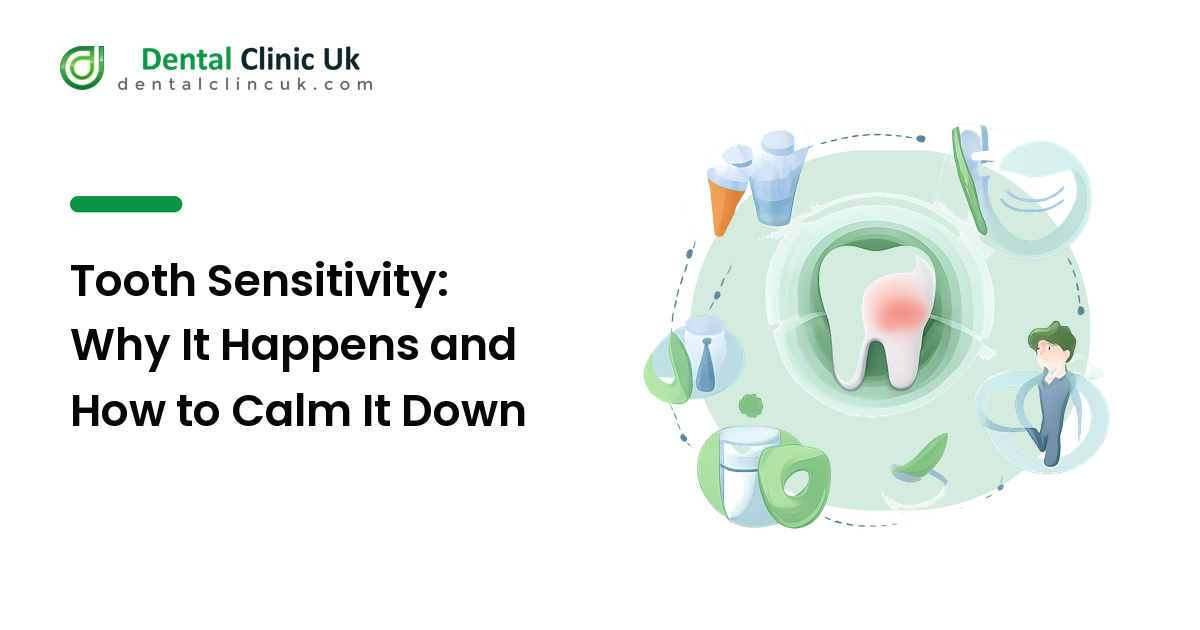
Even done correctly, whitening has two common, short-lived side effects. The first is tooth sensitivity: whitening can temporarily make teeth more reactive to cold, so you may feel brief twinges during or after treatment. For most people it fades within a few days, and it is more noticeable with stronger gels or longer wear times. If your teeth are already sensitive, sort that out with your dentist first; our tooth sensitivity guide explains why sensitivity happens and how to calm it. The second is gum irritation: gel touching the gums can leave them sore or whitish briefly, though a well-fitted tray and careful gel amounts make this largely avoidable.
The key word in both cases is temporary — soreness that settles within days is very different from lasting harm. What is not normal is severe or persistent pain, gums that stay sore, or one tooth reacting strongly. That deserves a dentist's attention, not more whitening.
How the common options compare — and why supervision matters
There is a spectrum of ways to whiten, and the trade-off is consistent: more dental oversight means a safer, more predictable result.
- Professional whitening through a dentist. A dentist assesses your teeth, makes trays moulded to your mouth, and uses or prescribes appropriate-strength gel. That combination — a check beforehand, a proper fit, the right concentration — is why it tends to be the safest, most reliable route, even though it costs more.
- Dentist-provided take-home kits. Custom trays plus professionally supplied gel let you whiten at home while still benefiting from the assessment and fit — a sensible middle ground.
- Over-the-counter products. Strips, paint-on gels, and one-size trays are cheaper and easier to get, but the fit is generic, the strength is limited, and no one has checked your mouth. Results are milder, and stray gel on gums is more likely.
- Unregulated online or salon products, and DIY hacks. Where most problems cluster. Very strong imported gels can cause sensitivity and gum burns, and abrasive home remedies — scrubbing with acidic or gritty mixtures — can wear enamel and erode the surface. Acid erosion is genuine, permanent damage: the opposite of what you wanted.
Why a dental check before whitening protects you
Supervision matters not as gatekeeping but because the check beforehand prevents most regret — and it has nothing to do with the gel. Whitening a tooth with an undetected issue is how a cosmetic procedure turns into pain: active decay, a leaking filling, a crack, exposed roots from gum recession, or untreated gum problems can all make it far more uncomfortable and let gel reach places it should not.
A check sorts this out. A dentist can confirm there is no cavity or gum issue lurking, note that fillings and crowns will not change colour, and set a realistic expectation for the shade. That single appointment turns whitening from a gamble into a planned, low-risk process — the part the horror stories almost always missed.
Frequently asked questions
Does teeth whitening damage tooth enamel?
Whitening done properly lifts stains rather than stripping enamel — the peroxide gel changes the tooth's colour, it does not wear the surface away. Real enamel damage is far more associated with abrasive DIY hacks and acidic home remedies that scratch or erode the surface. The safest route is dentist-guided whitening at an appropriate strength, after a check.
Is whitening safe for sensitive teeth, and how long does the sensitivity last?
Whitening can be fine for sensitive teeth but needs care, as it commonly causes some temporary sensitivity of its own. If your teeth are already sensitive, ease that first and speak to a dentist; gentler strengths and shorter wear times help. For most people the sensitivity is short-lived and settles within a few days — a brief reaction to cold, not constant pain. If it is severe, lingers, or focuses on one tooth, see a dentist rather than carrying on.
Are over-the-counter whitening kits safe to use?
Regulated over-the-counter products are limited in strength, which lowers the risk, but the trays are generic and no one has checked your mouth, so stray gel on the gums is more likely and results are milder. The bigger danger is very strong, unregulated online gels and abrasive DIY remedies, which can cause gum burns or wear enamel. Follow the instructions, and have a dentist check your teeth first.
Can I whiten teeth with fillings, crowns, or veneers?
Whitening only lightens natural tooth, so existing fillings, crowns, and veneers will not change colour, and can end up looking darker than the teeth around them. A dentist will flag this beforehand, and some people choose to replace a visible filling or crown after whitening so it matches the new shade.
Next step
Whitening is not, by its nature, an attack on your teeth: done sensibly it lifts stains rather than damaging structure, and the usual side effects pass within days. The trouble comes from harsh products, overuse, and whitening over a problem nobody checked for. So before you brighten your smile, do the one thing that prevents most regret — book a check-up so a dentist can confirm your teeth and gums are healthy and recommend the option that suits you. Speak to the team at Dental Clinic UK.