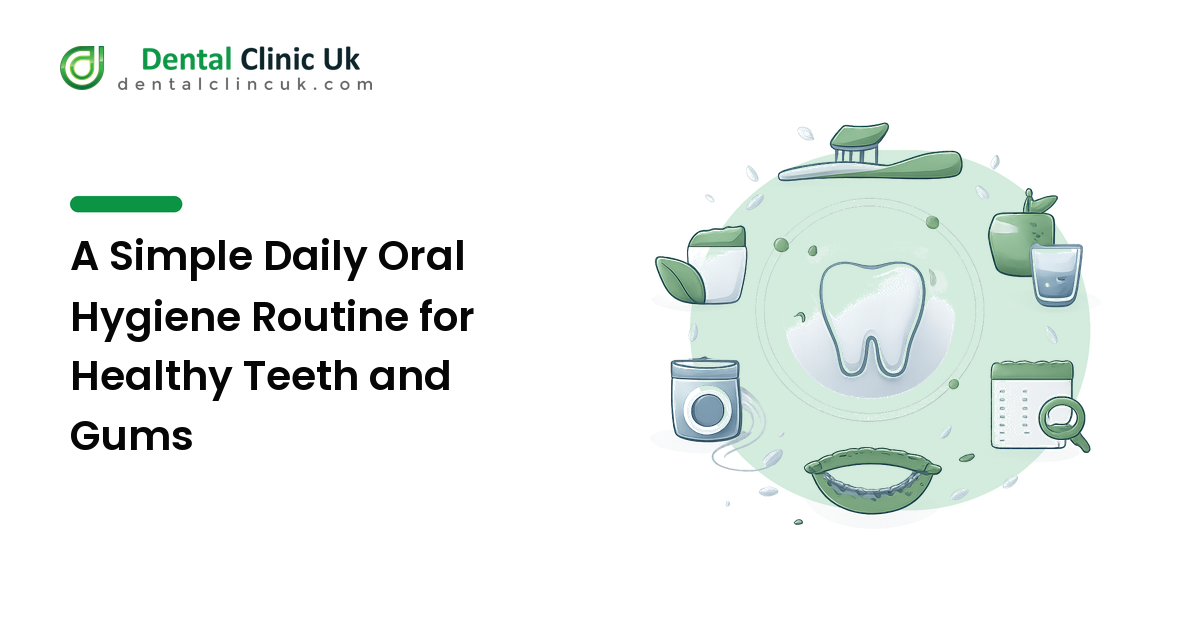
Good oral health rarely comes down to one clever trick. It comes from a small set of habits you repeat every day. The reassuring part is that a solid routine is simple, takes only a few minutes, and does not need a cupboard full of products. This guide walks through a calm, everyday approach to caring for your teeth and gums at home, in plain English.
The short version: brush for two minutes twice a day with a fluoride toothpaste, clean between your teeth daily, go easy on sugary snacking, and see a dentist for regular check-ups. Everything below simply explains the why and the how.
A quick note: This article is general information only and is not a diagnosis or a substitute for professional dental advice. If you have pain, bleeding, swelling, or any concern about your mouth, please see a registered dentist, who can assess your individual situation.
Why a daily routine matters
Your mouth is busy all day. After you eat, a soft film called plaque builds up on your teeth. Left alone, the bacteria in plaque feed on sugars and produce acids that can wear down enamel and irritate your gums over time. A daily routine simply keeps that build-up under control so small issues do not have the chance to become bigger ones.
The goal is not perfection. It is consistency. A few good minutes, done reliably, protect your teeth far more than an occasional deep-clean blitz.
Step 1: Brush well, twice a day
Brushing is the foundation. The aim is to clean every surface gently and thoroughly.
- Brush for two minutes, twice a day. Most people brush for far less time than they think. A timer, a song, or a timed electric brush can help.
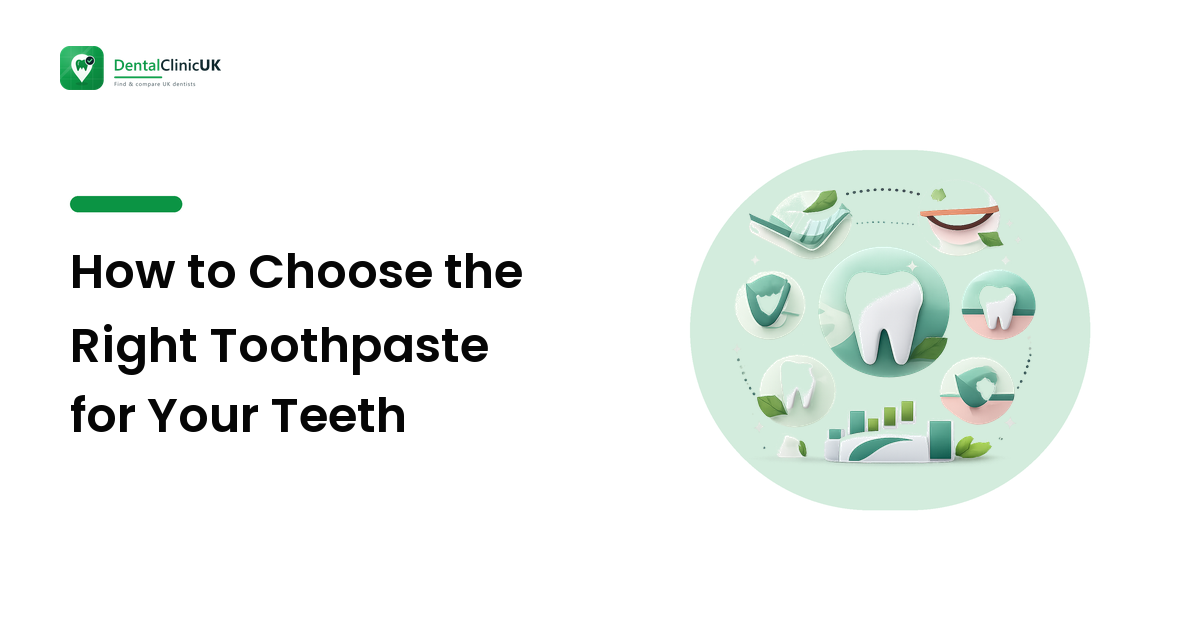
- Use a fluoride toothpaste. Fluoride helps strengthen enamel and is widely recommended for cavity prevention. Check the packaging if you are unsure.
- Angle the brush towards the gumline. Hold the bristles at roughly 45 degrees where the tooth meets the gum, and use small, gentle movements rather than hard scrubbing.
- Be gentle. Pressing hard does not clean better and can wear enamel and irritate gums. Let the bristles do the work.
- A common tip is to spit, not rinse, after brushing, so a little fluoride stays on your teeth. Your dentist can confirm what suits you.
Soft or medium bristles suit most people, and brushes wear out — replacing the head every few months keeps it effective.
Step 2: Clean between your teeth daily
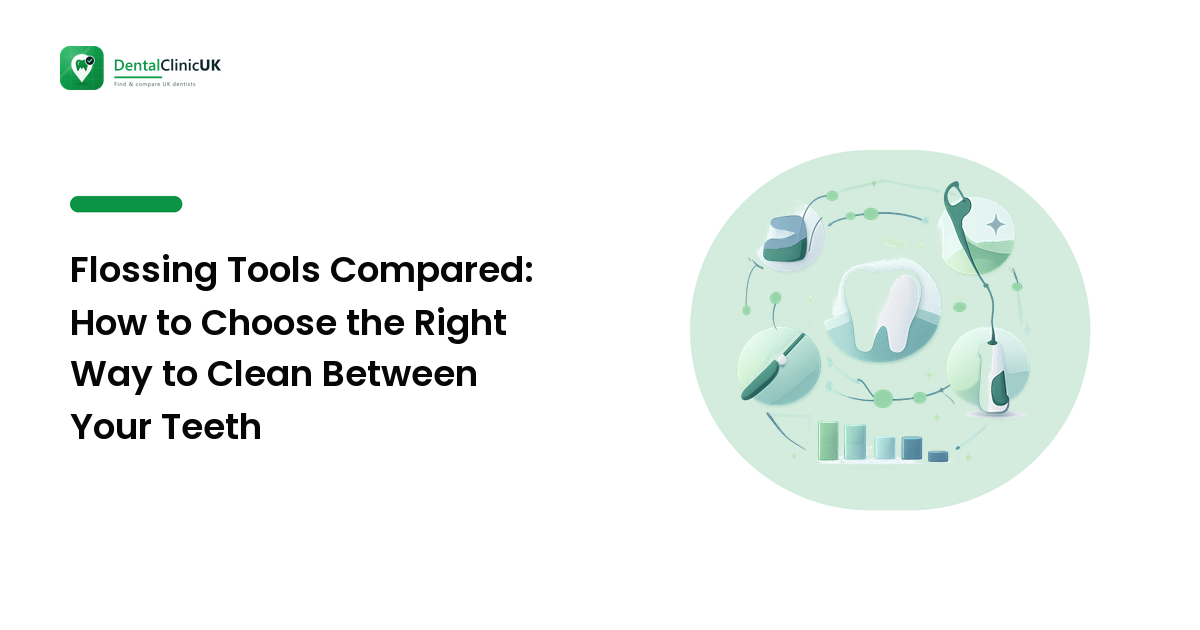
A toothbrush cannot reach the surfaces between your teeth, and that is where many problems quietly start. Cleaning between teeth once a day covers the gaps a brush misses.
- Floss or interdental brushes both work. Interdental brushes come in different sizes and many people find them easier; floss suits tighter gaps. The best option is the one you will actually use.
- Be gentle at the gumline. Guide floss down carefully and curve it around each tooth rather than snapping it into the gum.
- Timing is flexible. Doing it before brushing or before bed is fine — what matters is that it happens daily.
If your gums bleed a little when you first start cleaning between your teeth, it can settle within a week or two as things get healthier. If bleeding carries on, it is worth a chat with your dentist. You can read more in our gum health guide.
Step 3: Support your teeth with everyday choices
What happens between brushing matters too.
- Watch sugary snacking and drinks. It is the frequency of sugar, more than the total amount, that gives bacteria repeated chances to produce acid. Keeping sweets and sugary drinks to mealtimes is gentler on teeth.
- Drink water through the day. Water helps rinse the mouth and supports saliva, your natural defence.
- Mouthwash is optional. A fluoride mouthwash can be a useful extra for some people, but using it right after brushing can wash away the concentrated fluoride from toothpaste — so a different time of day often works better.
- Avoid tobacco. Smoking is strongly linked to gum problems and other oral health issues.
These are supporting habits, not replacements for brushing and cleaning between your teeth.
Step 4: Keep up regular dental visits
Home care does most of the work, but it cannot replace a professional eye. A dentist can spot early signs you would not notice yourself and remove hardened deposits a brush cannot.
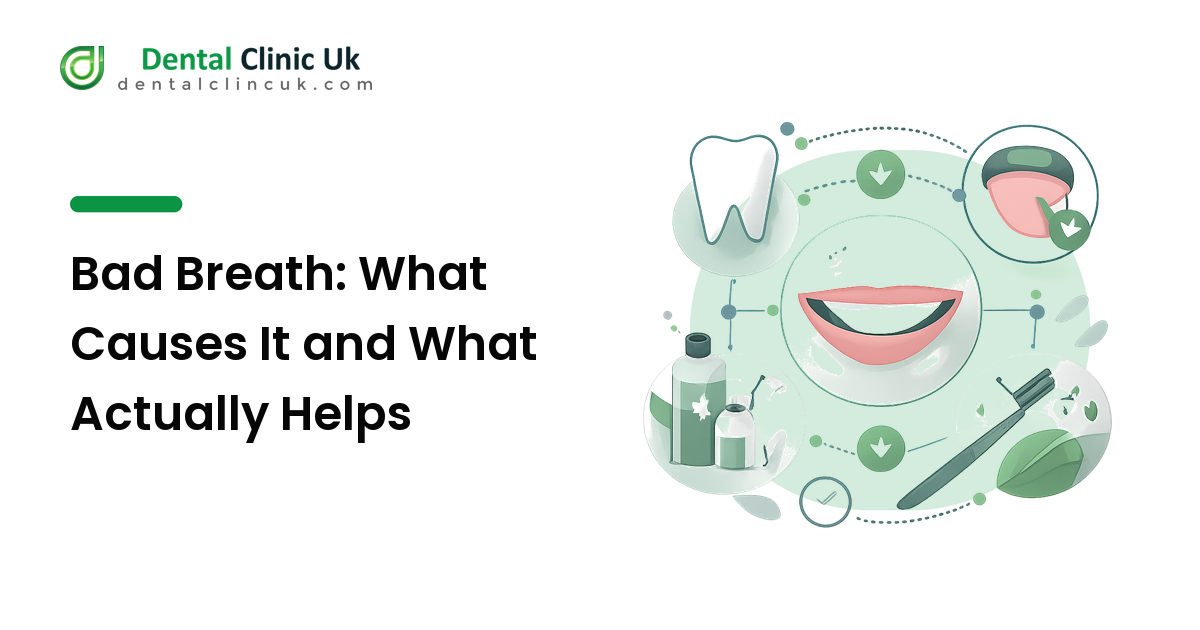
Many people are seen roughly every six to twelve months, but the right interval varies from person to person. Your dentist will recommend what suits you. If something changes between visits — pain, sensitivity, a lump, or persistent bad breath — do not wait for the next appointment; book in. Our guide to common dental problems explains some everyday issues and when they warrant a visit.
A simple routine at a glance
- Brush for two minutes, twice a day, with fluoride toothpaste.
- Clean between your teeth once a day with floss or interdental brushes.
- Go easy on sugary snacking and drink water through the day.
- See your dentist for regular check-ups and whenever something feels off.
FAQ
How long should I brush my teeth?
Two minutes, twice a day, is the common general guidance. Splitting your mouth into sections can help you give each part roughly equal time.
Is an electric or manual toothbrush better?
Both can clean well when used correctly. Many people find electric brushes make good technique easier, and built-in timers help with the two-minute habit. Your dentist can advise what suits you.
Do I really need to floss if I brush properly?
Brushing alone misses the surfaces between teeth, where problems often begin. Cleaning between your teeth daily — with floss or interdental brushes — covers those gaps.
My gums bleed when I brush or floss. Is that normal?
A little bleeding when you start a new cleaning habit can settle within a week or two. If it continues, is heavy, or comes with pain or swelling, see a dentist, as it can be a sign your gums need attention.
How often should I see a dentist?
It varies by person. Many people are seen every six to twelve months, and your dentist will suggest the right interval for you. Always book sooner if you notice pain or other changes.
Next step
Pick the two-minute, twice-a-day habit and make it automatic this week — leave your brush where you will see it, and add one daily clean between your teeth. Then book a routine check-up so a dentist can confirm you are on track. Small, steady habits protect your smile far more than the occasional big effort.